the best ai gtm tool i've used is a git repo
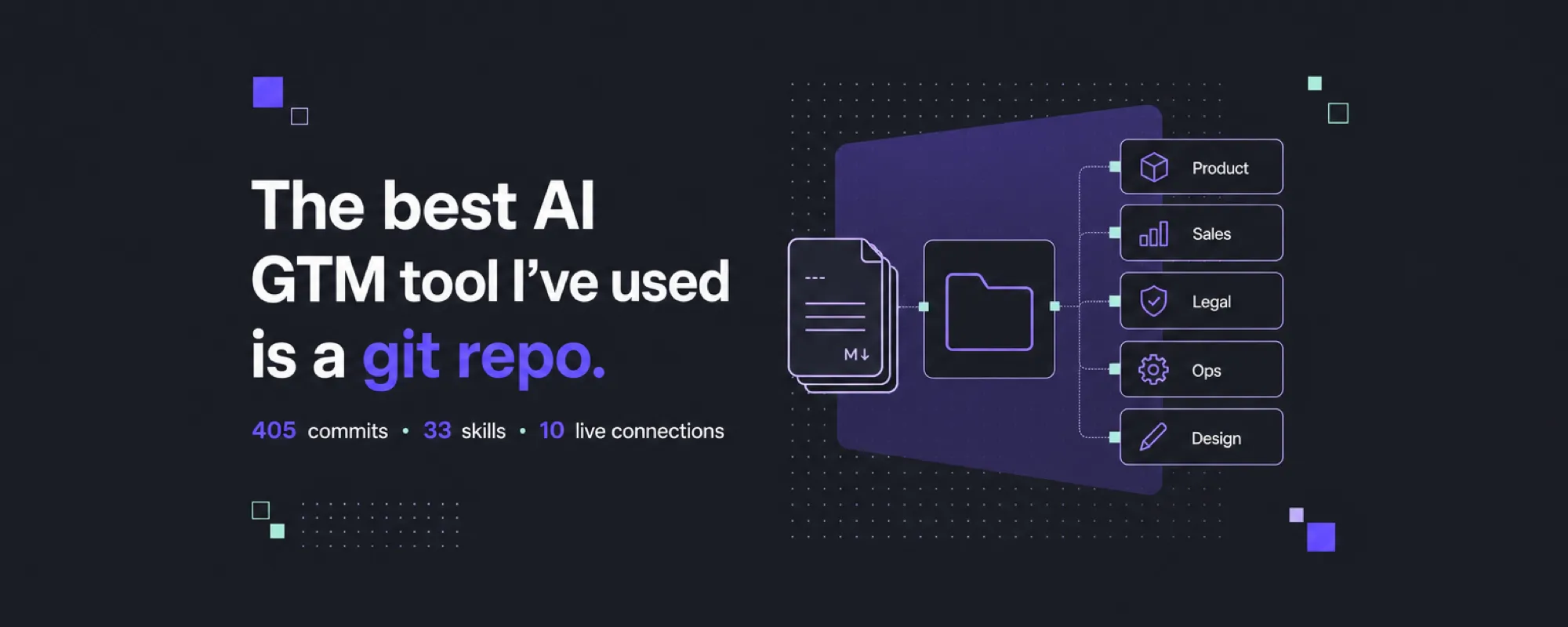
The best AI GTM tool I’ve used is a git repo I built.
On 11 March 2026, I started encoding how we sell Lightdash into markdown files and reusable skills.
396 commits later, the repo has:
- 18 folders covering product, pricing, competitors, legal, enablement, outbound, design, hiring and operations
- 33 specialist skills for repeatable workflows
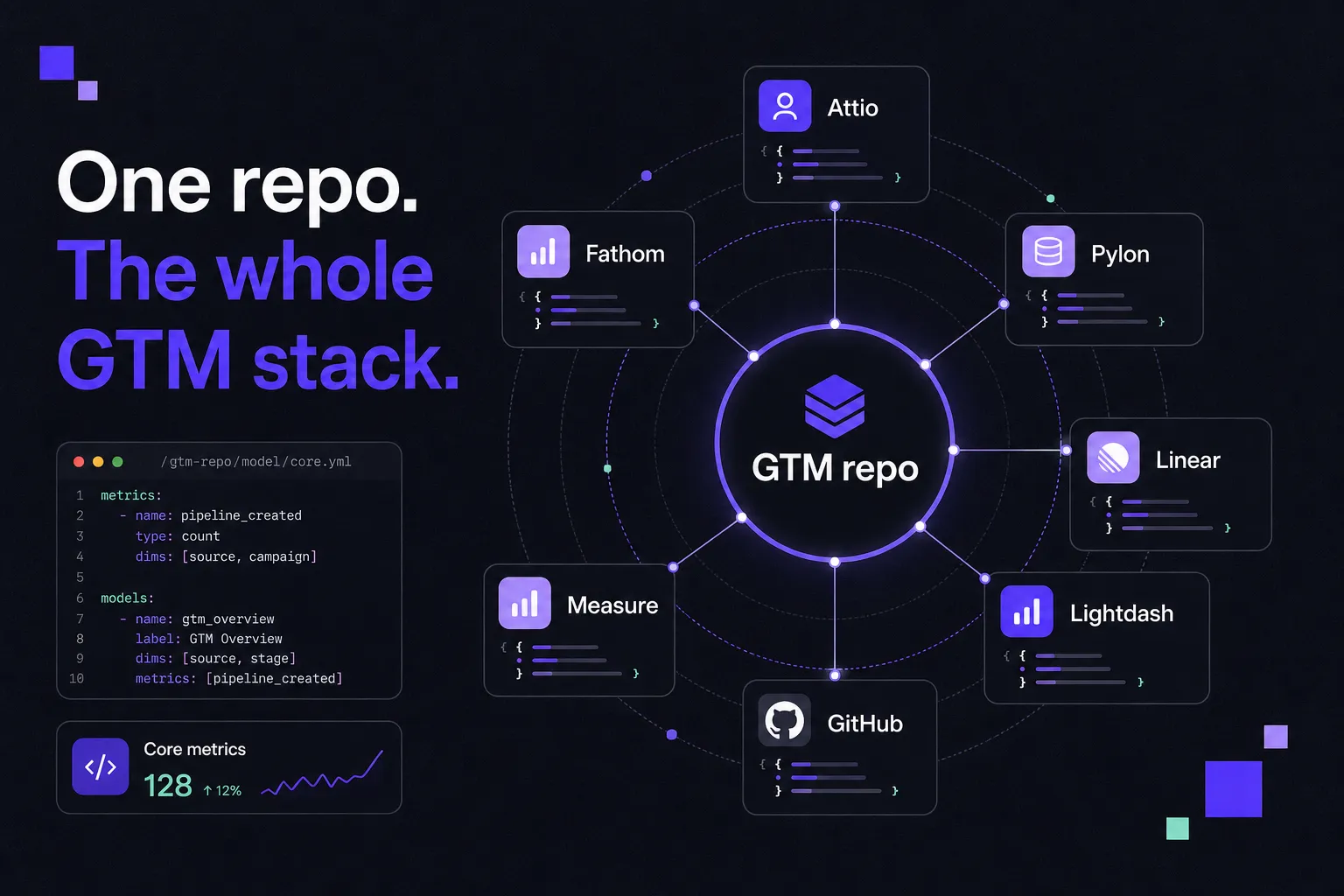
- 10 live connections to our CRM Attio, calls via Fathom.ai and Attio Calls, customer conversations via Pylon and Slack, our internal roadmap via Linear, product data via Lightdash, docs, our open source repo on GitHub, Reply.io for outbound, and Measure for quoting
I can ask it to do real sales work. Not summarise a PDF. Finish the job.
1. Product questions
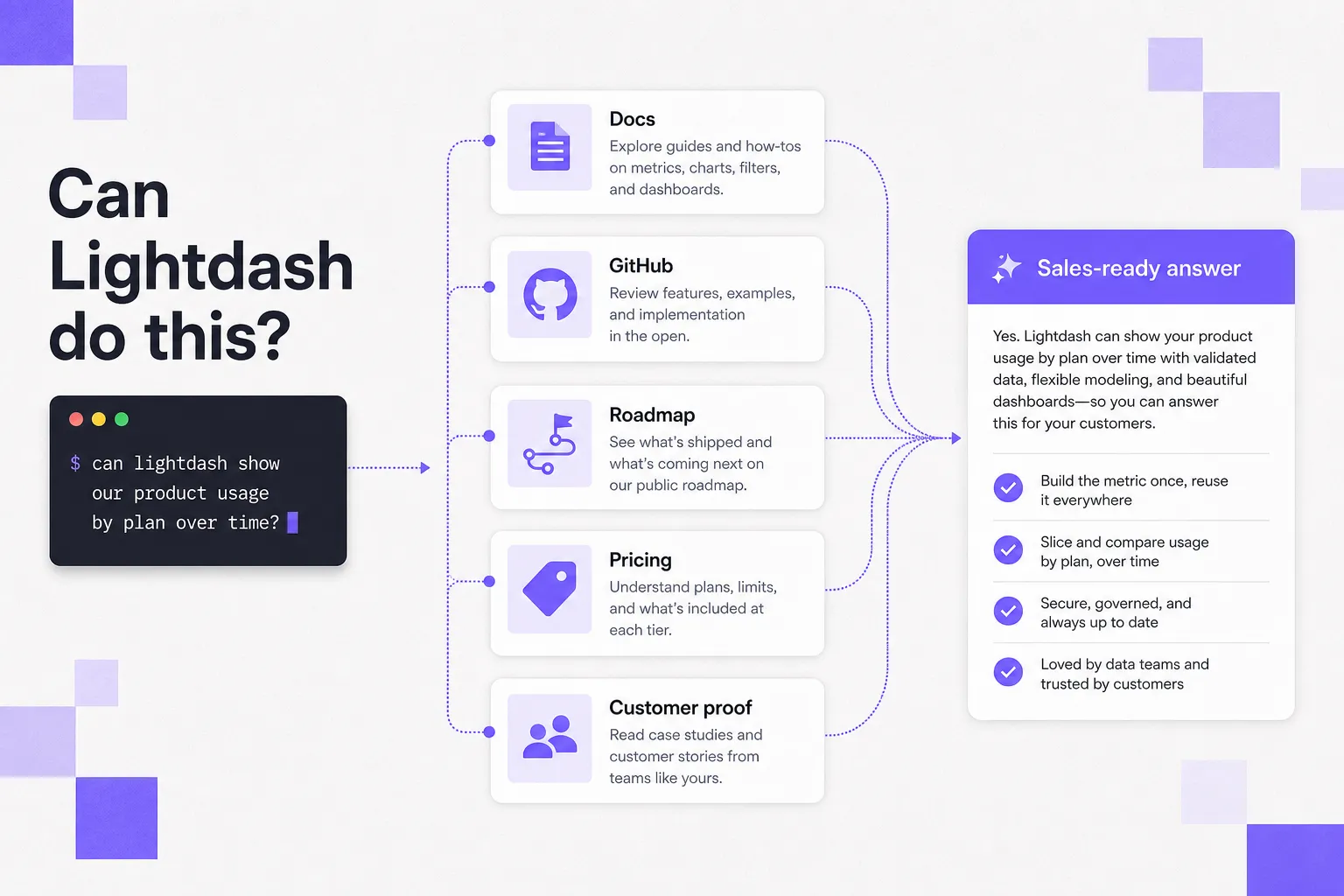
“Can Lightdash do this?”
It checks our docs, GitHub, internal roadmap, pricing and customer proof before producing a sales-ready answer.
“What’s the status of [capability]?”
Same stack. Docs, public issues, Linear, enterprise features matrix. One answer, with links.
2. Calls
“Prep me for this call.”
It pulls CRM context, product usage, notes and recent conversations into one brief.
“What happened on the last call?”
It checks Fathom and Attio Calls. Slack Connect and Pylon threads too, when that’s where the real conversation lived.
“Draft the follow-up.”
It writes the recap from what was actually said, with the right doc links and a clear next step.
3. Pipeline
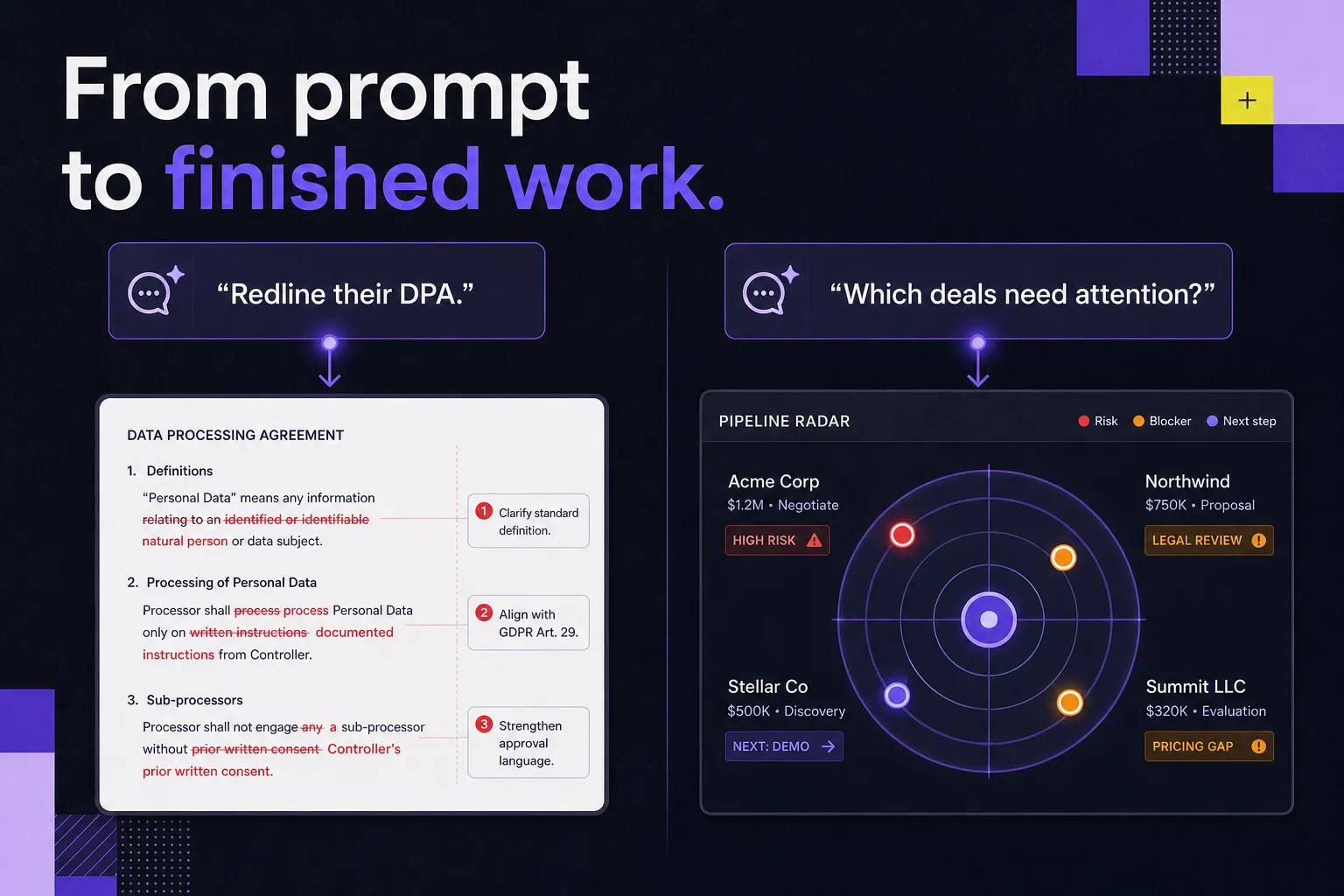
“Which deals need attention this week?”
It reads the pipeline, recent calls and customer conversations, then surfaces buyer gaps, risks, trial blockers and next steps.
“Update the deal notes.”
It drafts replacements for Deal notes and next steps from the latest evidence. I approve before anything gets written back to Attio.
“Daily standup.”
It builds my sales standup from the last day of emails, notes, calls, Linear tickets and every active deal’s next steps. Proposal-stage deals always get a speakable line.
4. Legal and commercial
“Redline their DPA.”
It applies our legal positions and returns a Word document with tracked changes.
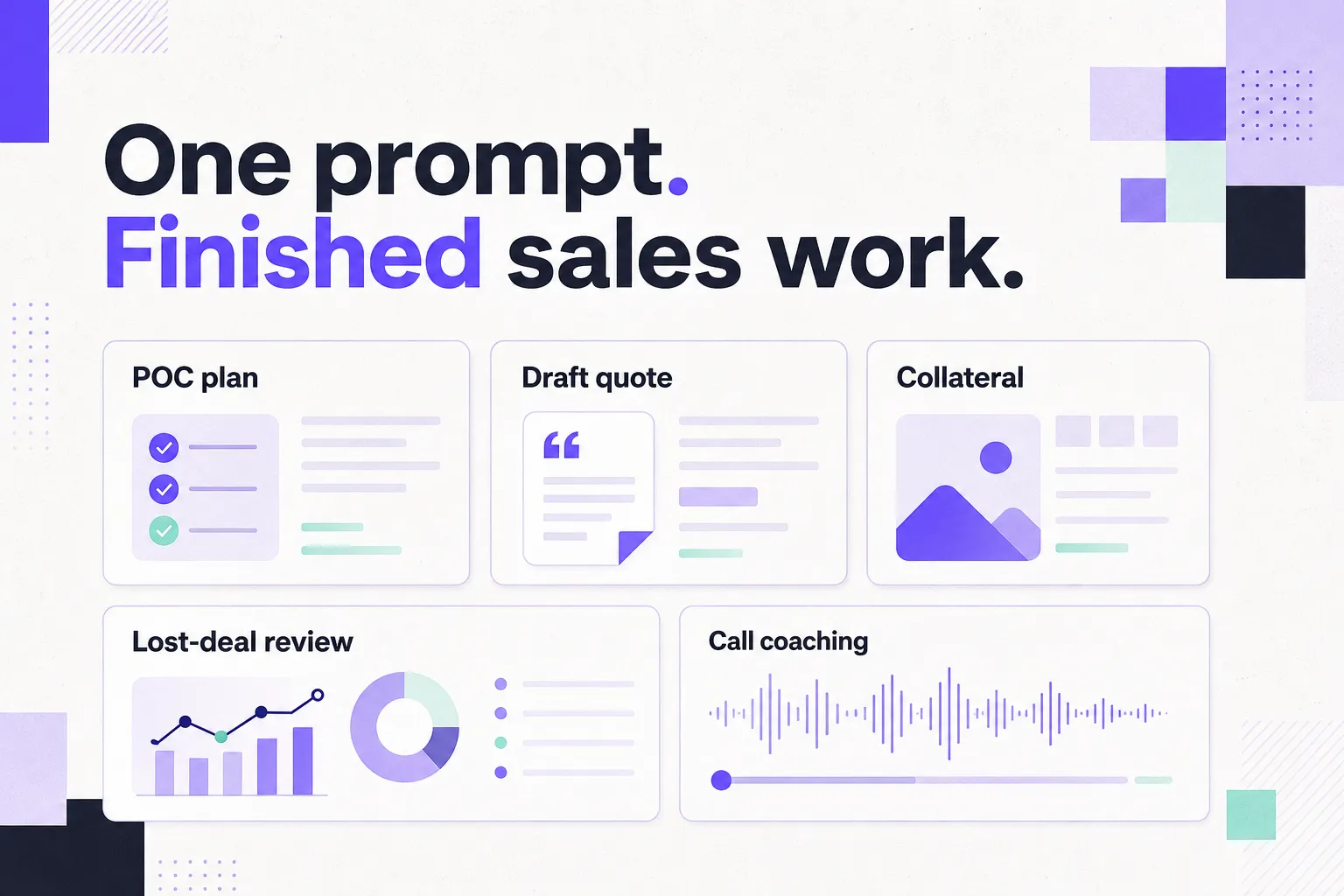
“Create a draft quote.”
It builds a new draft contract in Measure from our pricing and quoting playbooks. Dry-run first. Create only when I say so.
“They’re pushing on discount / term / competitor price.”
It plans the counter from our negotiation levers and drafts the reply.
5. Everything else the job needs
It builds customised POC plans.
It finds the right collateral for the meeting.
It runs proper lost-deal post-mortems and writes them into Attio.
It pauses deals the right way: reason, reopen condition, re-engagement task on the company, not a half-updated CRM field.
It drafts cold outbound and conference follow-up in my voice, or Oliver’s.
It generates the weekly growth update, marketing update, and pipeline tracker.
It typesets customer PDFs and branded decks from our design system.
I even added in our design system and it generated the images for this with one prompt. This works for all our collateral and enablement, without hitting claude design limits.
How it compounds
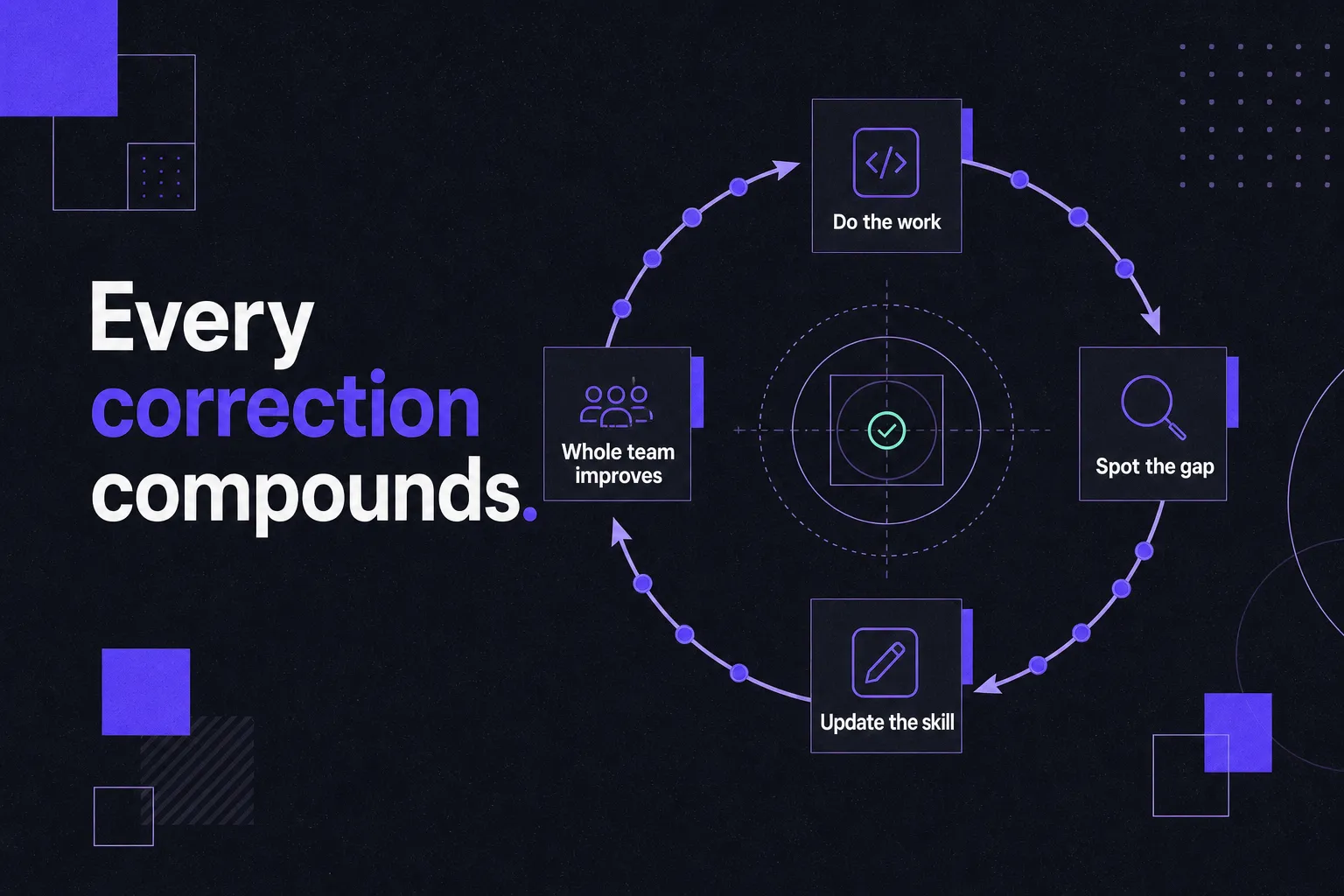
When our deal process improves, I update the workflow.
When a reply sounds wrong, I correct the tone of voice skill.
Every time we ship a Lightdash feature (multiple times a day), the product collateral and sales enablement is updated.
Every correction makes the system better for the whole team.
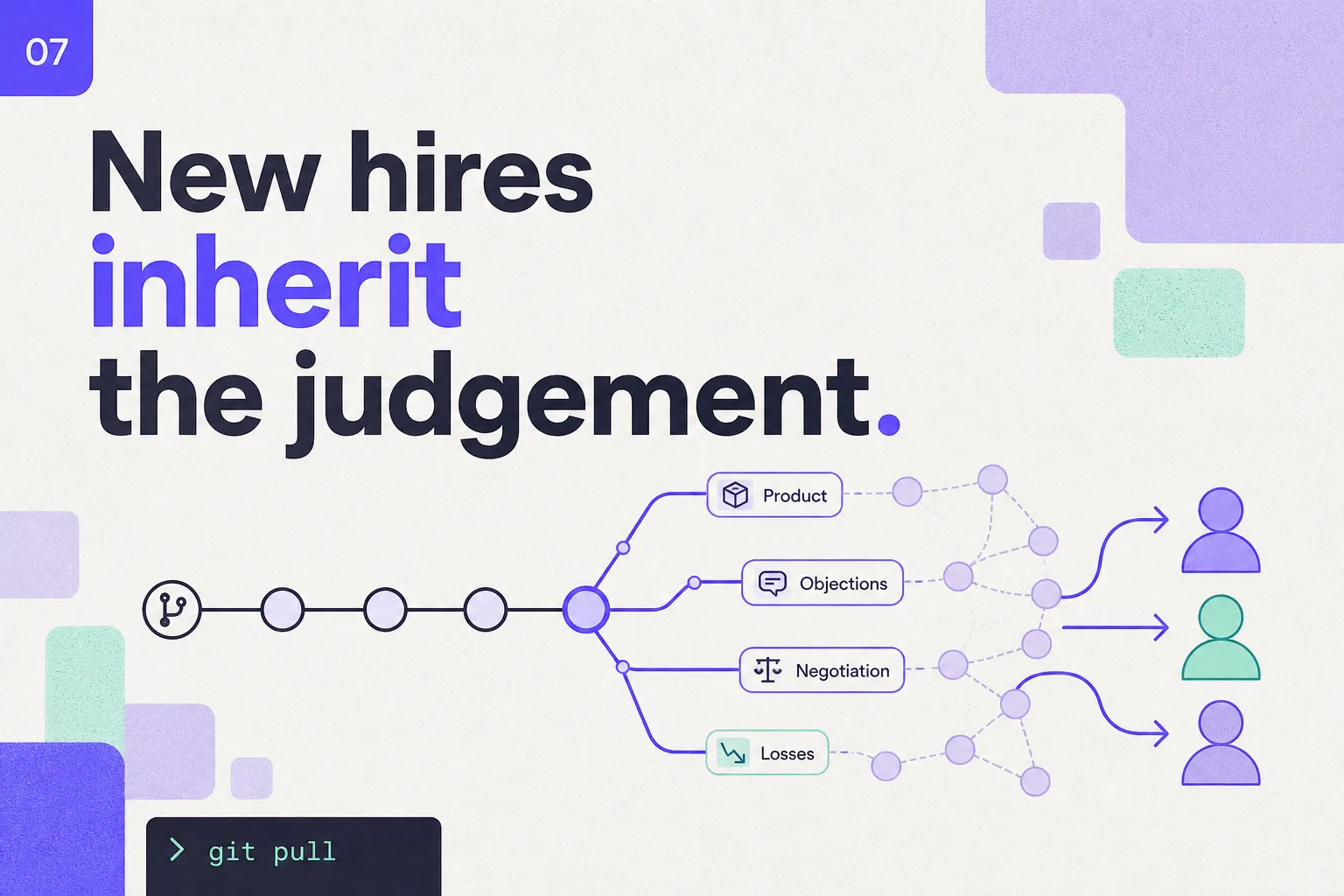
New hires inherit the accumulated judgement from every product question, objection, negotiation and loss that came before them.
And yes, everyone in our sales team can use git. I don’t hire people that can’t.
What’s next
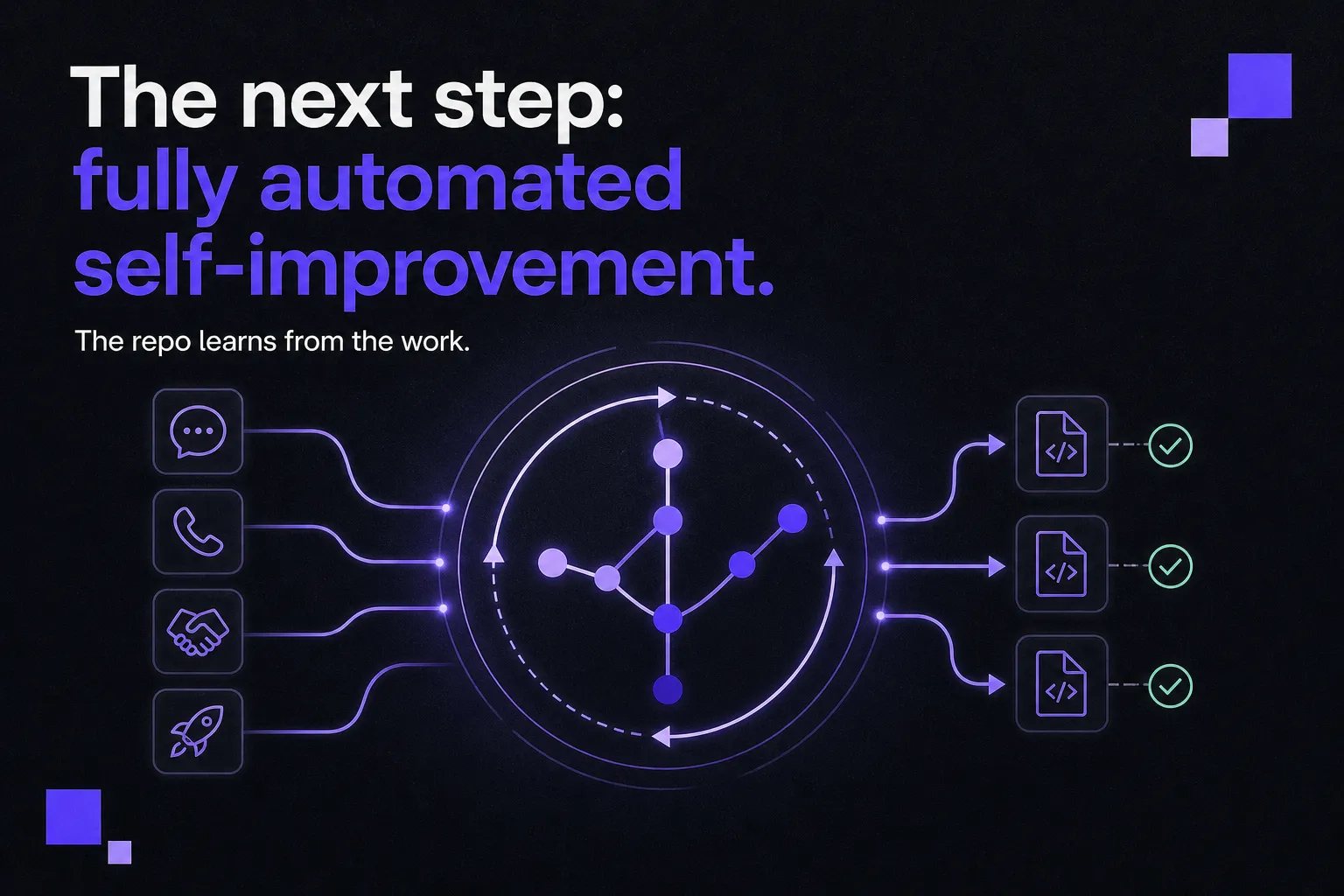
The next step is fully automated self-improvement. I’m working on it.
It will be the best sales tool anyone has ever built.
I could spin this off into a SaaS and close a big seed round. But why would I when the TAM of Lightdash is two orders of magnitude larger.